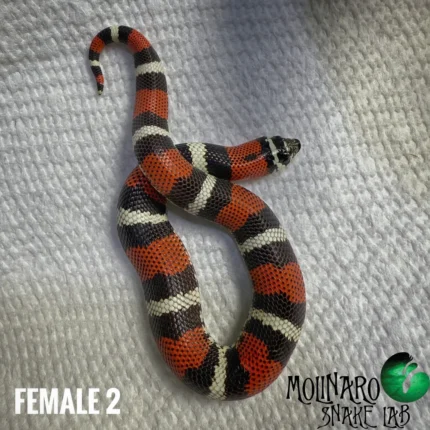
Snakes, Ball pythons (Python regius) are the most popular pet snakes in the world because of their docile nature, manageable size, and stunning genetic color variations (morphs). Native to West and Central Africa, these nocturnal constrictors get their name from their habit of curling tightly into a ball with their head protected in the center when threatened.
Key Traits & Appearance
- Size: They are a medium-sized species. Adult females grow to 3–5 feet (91–152 cm), while males stay smaller at 2–3 feet (61–91 cm).
- Lifespan: They are a long-term commitment. In captivity, they easily live 20 to 30 years with proper care.
- Morphs: While wild ball pythons are dark brown with light brown blotches, selective breeding has created thousands of “morphs.” These include “Piebald” (white patches), “Albino” (yellow and white), and “Banana” (tan and yellow).
Basic Care Requirements
- Enclosure: A 40-gallon breeder tank or PVC enclosure is the minimum standard for an adult. It must be highly secure, as they are escape artists.
- Temperature: They require a temperature gradient to regulate their body heat. The warm side should feature a basking spot of 88–92°F (31–33°C), while the cool side should sit around 76–80°F (24–26°C).
- Humidity: Humidity must be kept between 55% and 65% to ensure healthy respiration and clean skin shedding.
- Diet: They are strictly carnivorous. In captivity, they eat appropriately sized frozen-thawed mice or rats once every 1 to 2 weeks.
Common Behavioral Quirks
- Shyness: Ball pythons prefer hiding over exploring. They require at least two tight, enclosed hide boxes—one on the warm side and one on the cool side.
- Hunger Strikes: They are notorious for going on seasonal fasts, sometimes refusing food for several weeks or months, especially during winter or breeding season.
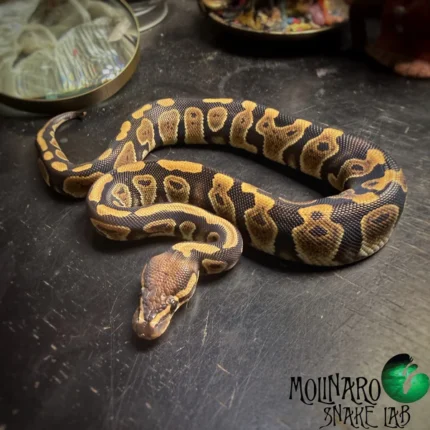
Ball Python Chocolate Het Hypo Female
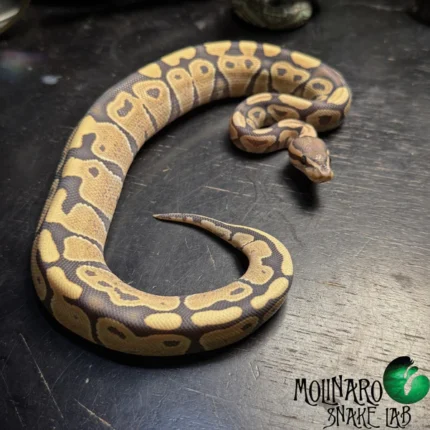
Ball Python Hypo 100% Het Desert Ghost Male
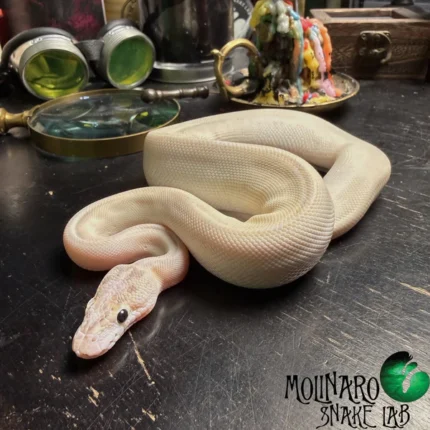
Ball Python Ivory (Super Yellowbelly) possible Fire, Enchi, and GHI Female
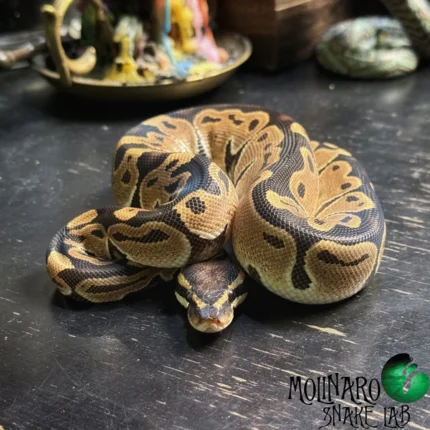
Classic Ball Python Male
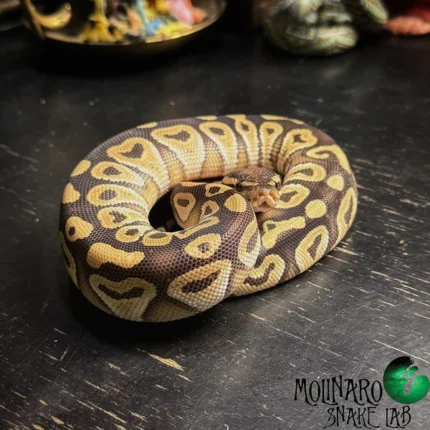
Mojave Ball Python Male
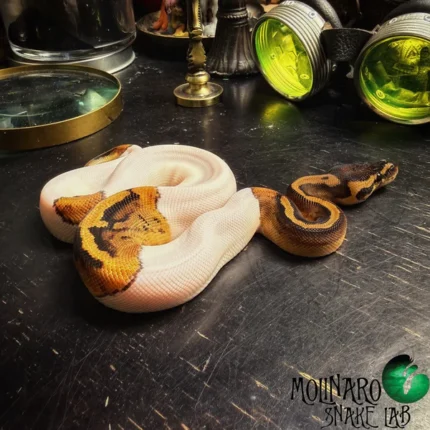
Pied Ball Python Female
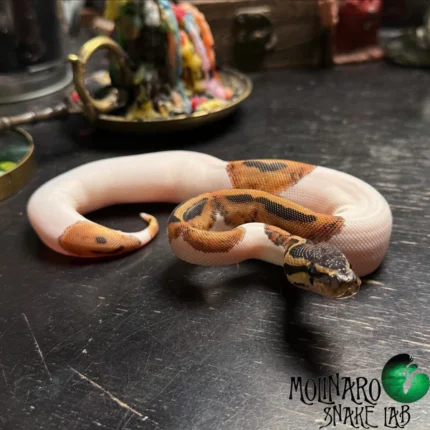
Pied Ball Python Orange Dream Yellowbelly Female